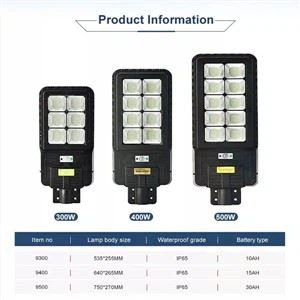
As a street light supplier, I've encountered numerous inquiries from customers in regions prone to frequent lightning. The impact of lightning on street lighting systems is a critical concern, not only for the safety of the infrastructure but also for ensuring continuous illumination for public safety. In this blog, I'll delve into how street lights function in areas with frequent lightning, the challenges they face, and the solutions we offer to mitigate these issues.
The Basics of Street Light Operation
Before we discuss the effects of lightning, it's essential to understand how street lights typically work. Most modern street lights are LED-based, offering energy efficiency, long lifespan, and high illumination quality. These lights are connected to a power source, usually through an electrical grid. A control system, often a timer or a photocell, regulates when the lights turn on and off.
LED street lights, such as our LED Street Light, are designed to convert electrical energy into light efficiently. They consist of multiple LED chips arranged on a circuit board, which is housed in a protective fixture. The fixture is usually made of durable materials like die-cast aluminum, which provides excellent heat dissipation and protection against environmental factors. Our Die-cast Aluminum LED Street Light is a prime example of a robust and reliable street light solution.
Challenges Posed by Frequent Lightning
Lightning is a natural phenomenon that can cause significant damage to street lighting systems. When a lightning strike occurs, it releases a massive amount of electrical energy in a very short period. This energy can surge through the electrical grid, causing power surges that can damage the sensitive electronic components of street lights.
One of the primary challenges is the direct impact of lightning strikes on the street light poles. A direct strike can physically damage the pole, shatter the light fixture, and destroy the internal components. Even a nearby lightning strike can induce a voltage surge in the electrical lines connected to the street lights, leading to component failure.
Another challenge is the disruption of the control system. Lightning-induced power surges can interfere with the timer or photocell, causing the lights to malfunction. This can result in lights staying on during the day or not turning on at night, which can pose a safety hazard for pedestrians and motorists.
Protective Measures for Street Lights in Lightning-Prone Areas
To ensure the reliable operation of street lights in areas with frequent lightning, we implement several protective measures. These measures are designed to safeguard the street lights from direct lightning strikes and power surges.
Lightning Rods
One of the most effective ways to protect street light poles from direct lightning strikes is by installing lightning rods. A lightning rod is a metal rod or conductor that is mounted on top of the street light pole. It provides a low-resistance path for the lightning current to follow, diverting it safely to the ground. By doing so, it reduces the risk of damage to the pole and the light fixture.
Surge Protectors
Surge protectors are essential devices that protect the sensitive electronic components of street lights from power surges. These devices are installed between the power source and the street light. When a power surge occurs, the surge protector diverts the excess voltage to the ground, preventing it from reaching the street light. Our street lights are often equipped with high-quality surge protectors to ensure their reliability in lightning-prone areas.
Grounding Systems
A proper grounding system is crucial for the effective operation of lightning protection devices. The grounding system provides a path for the electrical current to flow safely into the ground. It consists of a grounding electrode, such as a metal rod or a grounding plate, which is buried in the ground. The street light pole and all electrical components are connected to the grounding electrode to ensure that any electrical current is safely dissipated.


Robust Design and Construction
In addition to the protective devices, the design and construction of the street lights themselves play a vital role in their ability to withstand lightning. Our LED Street Light COB is designed with a robust and durable housing that can withstand the impact of lightning strikes. The internal components are also carefully selected and installed to minimize the risk of damage from power surges.
Monitoring and Maintenance
Regular monitoring and maintenance are essential to ensure the continued operation of street lights in areas with frequent lightning. We recommend conducting periodic inspections of the street lights to check for any signs of damage or malfunction. This includes checking the lightning rods, surge protectors, and grounding systems for proper operation.
In addition, we offer remote monitoring services for our street lights. This allows us to detect any issues in real-time and take prompt action to address them. Our monitoring system can also provide valuable data on the performance of the street lights, such as energy consumption and illumination levels.
Conclusion
In conclusion, street lights in areas with frequent lightning face unique challenges that require specialized solutions. By implementing protective measures such as lightning rods, surge protectors, and grounding systems, and by using robust and durable street light designs, we can ensure the reliable operation of street lights in these areas.
At our company, we are committed to providing high-quality street lighting solutions that are designed to withstand the rigors of lightning-prone environments. Our Die-cast Aluminum LED Street Light, LED Street Light COB, and LED Street Light are all engineered to provide reliable and efficient illumination, even in the most challenging conditions.
If you are in need of street lighting solutions for an area with frequent lightning, we invite you to contact us to discuss your specific requirements. Our team of experts will be happy to provide you with detailed information and assistance in selecting the right street lights for your project.
References
- Uman, M. A. (2001). The Lightning Discharge. Academic Press.
- IEEE Standard for Surge Protective Devices (SPDs) in Low-Voltage (1000 V ac or Less) AC Power Circuits. (2014). IEEE Std C62.62-2014.