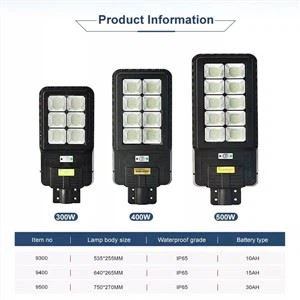
Solar street lights have emerged as a sustainable and cost - effective lighting solution in recent years. As a prominent street light solar supplier, I am often asked about how these innovative lights charge their batteries. In this blog, I will delve into the science behind the battery - charging process of solar street lights, exploring the components involved and the mechanisms at play.
Components of a Solar Street Light System
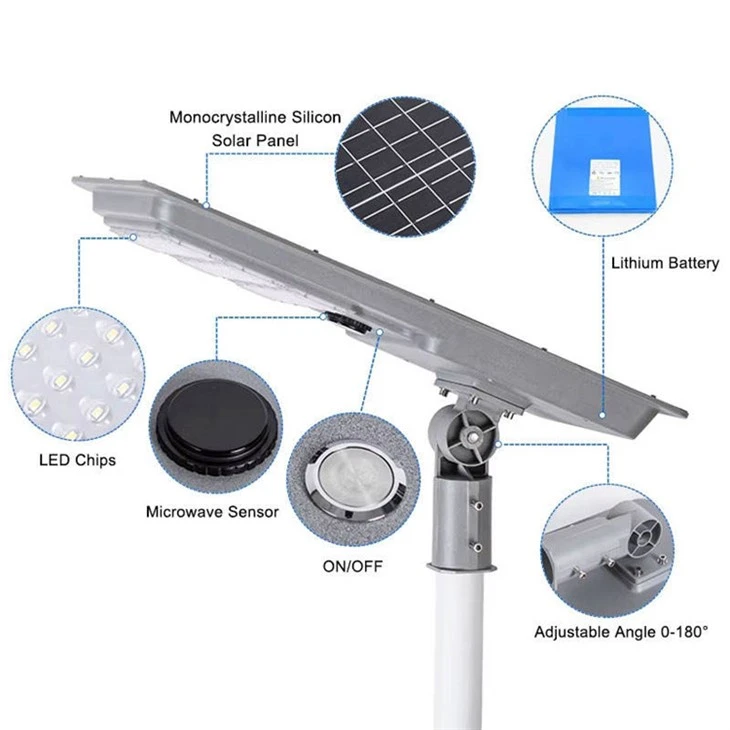
Before we discuss the charging process, it's essential to understand the key components of a solar street light system. A typical solar street light consists of a solar panel, a battery, a charge controller, and an LED light source.
The solar panel is the heart of the system. It is made up of photovoltaic (PV) cells, which are designed to convert sunlight into electricity. These cells are usually made from silicon, a semiconductor material that can absorb photons from sunlight and release electrons, creating an electric current.
The battery stores the electricity generated by the solar panel for use during the night or when sunlight is scarce. Common types of batteries used in solar street lights include lead - acid batteries, lithium - ion batteries, and nickel - metal hydride batteries. Each type has its own advantages and disadvantages in terms of cost, lifespan, and performance.
The charge controller is a crucial component that regulates the charging process. It prevents over - charging and over - discharging of the battery, which can significantly reduce the battery's lifespan. The charge controller also ensures that the battery is charged efficiently by adjusting the charging current and voltage according to the battery's state of charge.
The LED light source provides illumination at night. LEDs are highly energy - efficient, have a long lifespan, and can produce a high - quality light output. They are ideal for solar street lights because they consume less power compared to traditional lighting sources such as incandescent bulbs or fluorescent tubes.
The Charging Process
The charging process of solar street lights begins when sunlight hits the solar panel. The PV cells in the solar panel absorb the sunlight and convert it into direct current (DC) electricity. The amount of electricity generated depends on several factors, including the intensity of sunlight, the angle of the solar panel, and the efficiency of the PV cells.
Once the solar panel generates electricity, it is sent to the charge controller. The charge controller first checks the state of charge of the battery. If the battery is fully charged, the charge controller will prevent the solar panel from sending more electricity to the battery to avoid over - charging. If the battery is not fully charged, the charge controller will regulate the charging current and voltage to ensure that the battery is charged safely and efficiently.
There are two main charging methods used by charge controllers: the constant current charging method and the constant voltage charging method.
In the constant current charging method, the charge controller maintains a constant charging current to the battery until the battery reaches a certain voltage level. This method is suitable for the initial stage of charging when the battery is in a low state of charge. As the battery charges, its voltage gradually increases.

Once the battery voltage reaches a pre - set level, the charge controller switches to the constant voltage charging method. In this method, the charge controller maintains a constant voltage across the battery terminals while the charging current gradually decreases. This helps to prevent over - charging and ensures that the battery is fully charged without causing damage.
As the battery charges, the energy is stored in the form of chemical energy. When night falls or when sunlight is insufficient, the charge controller detects the change in light conditions and disconnects the solar panel from the battery. It then connects the battery to the LED light source, allowing the stored energy in the battery to power the light.
Factors Affecting Battery Charging
Several factors can affect the charging efficiency of solar street lights.
Sunlight Availability: The amount of sunlight that the solar panel receives is the most significant factor. Areas with more sunlight hours and higher solar irradiance will generally have better charging performance. Cloudy days, shading from trees or buildings, and seasonal variations in sunlight can all reduce the amount of electricity generated by the solar panel.
Solar Panel Orientation and Tilt: The orientation and tilt of the solar panel can also impact its performance. In the Northern Hemisphere, solar panels should generally face south to maximize sunlight exposure. The tilt angle should be adjusted according to the latitude of the installation location to ensure that the solar panel receives the most sunlight throughout the year.
Battery Capacity and Type: The capacity of the battery determines how much energy it can store. A larger - capacity battery can store more energy but may take longer to charge. Different battery types also have different charging characteristics. For example, lithium - ion batteries can be charged at a higher rate compared to lead - acid batteries.
Charge Controller Efficiency: The efficiency of the charge controller affects how much of the electricity generated by the solar panel is actually used to charge the battery. A high - efficiency charge controller can minimize losses and ensure that the battery is charged more effectively.
Our Products and Their Charging Capabilities
As a street light solar supplier, we offer a range of high - quality solar street lights with excellent battery - charging capabilities. For example, our Stadium Waterproof Led Flood Light is designed for large - scale outdoor lighting applications such as stadiums. It is equipped with a high - efficiency solar panel and a reliable charge controller, ensuring that the battery is charged quickly and efficiently even in areas with limited sunlight.
Our Outdoor 12v Dc Led Solar Street Light is a popular choice for residential and commercial outdoor lighting. It features a compact design and a long - lasting battery, which can be charged effectively by the integrated solar panel.
The Solar Light 40 Watt IP65 Waterproof Outdoor Features is another great product in our portfolio. With its 40 - watt solar panel and advanced charge controller, it can provide bright and reliable lighting while ensuring optimal battery charging.
Conclusion
Understanding how solar street lights charge their batteries is essential for anyone interested in using this sustainable lighting solution. The charging process involves the conversion of sunlight into electricity by the solar panel, the regulation of the charging current and voltage by the charge controller, and the storage of energy in the battery. By considering factors such as sunlight availability, solar panel orientation, battery capacity, and charge controller efficiency, users can ensure that their solar street lights operate effectively and have a long lifespan.
If you are interested in purchasing high - quality solar street lights or have any questions about our products, please feel free to contact us for a procurement discussion. We are committed to providing the best solar lighting solutions to meet your needs.
References
- "Photovoltaic Systems Design and Installation Handbook" by Paul Gipe
- "Battery Technology Handbook" by Thomas B. Reddy and Linden David