As a seasoned supplier of garden street lamps, I often receive inquiries from customers in cold - climate regions about the suitability of our products for their areas. This is a crucial question, as extreme cold can significantly impact the performance and longevity of outdoor lighting. In this blog, I'll delve into the factors that determine whether garden street lamps can be used in cold climates and provide insights based on my experience in the industry.
Understanding the Challenges of Cold Climates
Cold climates present several challenges for garden street lamps. One of the most prominent issues is the effect of low temperatures on battery performance. Most garden street lamps, especially those that are solar - powered, rely on batteries to store energy collected during the day for use at night. Lithium - ion and lead - acid batteries are commonly used in these lamps.
Lithium - ion batteries, which are known for their high energy density and long lifespan, can experience reduced capacity in cold temperatures. The chemical reactions within the battery slow down, leading to a decrease in the amount of energy that can be stored and discharged. This means that the lamp may not stay lit for as long as it would in warmer climates.
Lead - acid batteries are also affected by cold weather. They are more prone to freezing, which can cause irreversible damage to the battery cells. Once a lead - acid battery freezes, its performance is severely degraded, and it may need to be replaced.
Another challenge is the accumulation of snow and ice on the solar panels. Solar panels are the heart of solar - powered garden street lamps, as they convert sunlight into electricity. When snow and ice cover the panels, they block the sunlight, preventing the panels from generating power. This can lead to a complete shutdown of the lamp until the snow and ice melt.
Features to Look for in Cold - Climate Garden Street Lamps
Battery Technology
To combat the effects of cold temperatures on batteries, look for lamps that use advanced battery technologies. Some manufacturers offer cold - weather - optimized lithium - ion batteries. These batteries are designed with special electrolytes and additives that allow them to maintain better performance in low temperatures. They can store and discharge energy more efficiently than standard lithium - ion batteries, ensuring that the lamp stays lit for longer periods.
Heating Elements
Some high - end garden street lamps come equipped with heating elements. These elements are installed on the solar panels or around the battery compartment. When the temperature drops below a certain threshold, the heating elements activate, melting the snow and ice on the panels and keeping the battery at an optimal operating temperature. This feature is particularly useful in regions with heavy snowfall.
Durable Construction
In cold climates, the lamp needs to be able to withstand harsh weather conditions. Look for lamps that are made from high - quality, weather - resistant materials. Aluminum and stainless steel are popular choices, as they are corrosion - resistant and can withstand extreme temperatures. The lamp should also have a tight seal to prevent moisture from entering the internal components, which could cause short - circuits or other damage.
Snow - Shedding Design
A good snow - shedding design is essential for solar - powered garden street lamps. The solar panels should be angled in such a way that snow and ice can easily slide off. Some lamps have a curved or sloped panel design that helps prevent snow from accumulating. Additionally, the frame of the lamp should be designed to allow snow to fall away without getting trapped.
Our Product Offerings for Cold Climates
At our company, we understand the unique needs of customers in cold - climate regions. That's why we offer a range of garden street lamps that are specifically designed to perform well in low - temperature environments.
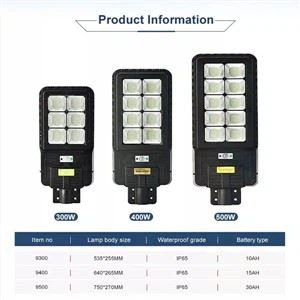
Our 200w Solar Street Light is a great option for larger gardens or areas that require more illumination. It is equipped with a cold - weather - optimized lithium - ion battery that can operate efficiently even in sub - zero temperatures. The solar panels have a snow - shedding design, and the lamp body is made from durable aluminum, ensuring long - term performance.
For smaller gardens or areas with less lighting requirements, our 30w 60w 90w Solar Street Lights are an excellent choice. These lamps are also designed with cold - climate features, such as battery insulation and a weather - resistant coating. They are easy to install and can provide reliable lighting throughout the winter months.
Our Solar - powered Street Light range offers a variety of styles and brightness levels to suit different needs. All of our solar street lights are rigorously tested in cold - climate conditions to ensure that they meet our high standards of performance and reliability.
Installation and Maintenance Tips for Cold - Climate Garden Street Lamps
Installation
When installing garden street lamps in cold climates, it's important to choose the right location. The lamp should be placed in an area that receives maximum sunlight, even during the winter months. Avoid areas that are shaded by trees or buildings for long periods.
Make sure the lamp is installed on a stable base. In cold climates, the ground can freeze and thaw, causing the lamp to shift or become unstable. A solid base will prevent the lamp from tipping over and getting damaged.
Maintenance
Regular maintenance is crucial for the proper functioning of garden street lamps in cold climates. During the winter, check the lamp regularly for snow and ice accumulation. Use a soft brush or broom to gently remove any snow or ice from the solar panels and the lamp body.
Inspect the battery regularly for signs of damage or degradation. If you notice any issues, such as a significant decrease in the lamp's runtime or a swollen battery, contact a professional for assistance.
Conclusion
In conclusion, garden street lamps can be used in cold climates, but it's important to choose the right products and take proper care of them. By selecting lamps with cold - weather - optimized features, such as advanced battery technology, heating elements, and snow - shedding designs, you can ensure that your garden is well - lit throughout the winter.
If you're in the market for garden street lamps for your cold - climate garden, we invite you to explore our product range. Our team of experts is always available to answer your questions and help you choose the best lamp for your needs. Contact us today to start a conversation about your lighting requirements and take the first step towards illuminating your garden in style, even in the coldest of winters.


References
- "Battery Performance in Cold Temperatures," Journal of Energy Storage.
- "Solar Panel Efficiency in Snowy Conditions," Renewable Energy Research Institute.
- "Cold - Climate Lighting Solutions: A Comprehensive Guide," Lighting Industry Association.