Electromagnetic interference (EMI) is a phenomenon that occurs when an electromagnetic field disrupts the normal operation of an electronic device. In the context of solar street lights, understanding the impact of EMI is crucial for ensuring their reliable and efficient performance. As a leading supplier of solar street lights, I've encountered numerous inquiries from customers regarding the susceptibility of our products to electromagnetic interference. In this blog post, I'll delve into the topic, exploring whether solar street lights are affected by EMI, the potential sources of such interference, and the measures we take to mitigate its effects.


How Solar Street Lights Work
Before discussing electromagnetic interference, it's essential to understand how solar street lights operate. Solar street lights are self - contained lighting systems that convert sunlight into electricity using photovoltaic (PV) panels. The electricity generated is stored in a battery, typically a lithium - ion or lead - acid battery, and used to power the LED light fixture during the night. The system is controlled by a charge controller, which manages the charging and discharging of the battery to prevent overcharging and over - discharging.
Potential Sources of Electromagnetic Interference
There are several potential sources of electromagnetic interference that could affect solar street lights:
- Power Lines: High - voltage power lines can generate strong electromagnetic fields. These fields can induce currents in the electrical components of solar street lights, potentially causing malfunctions or reduced performance. For example, the magnetic fields around power lines can interfere with the operation of the charge controller, leading to inaccurate battery charging or discharging.
- Radio Frequency (RF) Signals: Radio and television broadcasts, mobile phone signals, and Wi - Fi networks all emit RF signals. These signals can interfere with the electronic components of solar street lights, especially those with wireless communication capabilities. For instance, if a solar street light is equipped with a smart control system that uses wireless communication to adjust the light intensity, RF interference could disrupt the communication between the light and the control center.
- Industrial Equipment: Factories and industrial facilities often have large motors, generators, and other equipment that can generate significant electromagnetic interference. When solar street lights are installed near these facilities, they may be exposed to high levels of EMI, which can affect their operation.
Impact of Electromagnetic Interference on Solar Street Lights
The impact of electromagnetic interference on solar street lights can vary depending on the strength and frequency of the interference, as well as the design and shielding of the light. Here are some potential effects:
- Malfunction of Electronic Components: EMI can cause electronic components such as the charge controller, LED driver, or smart control module to malfunction. This can result in issues such as incorrect battery charging, inconsistent light output, or failure of the light to turn on or off at the appropriate times.
- Reduced Efficiency: Interference can also reduce the efficiency of solar street lights. For example, if the charge controller is affected by EMI, it may not be able to optimize the charging of the battery, leading to reduced battery capacity and shorter operating times.
- Data Transmission Errors: In solar street lights with wireless communication capabilities, EMI can cause data transmission errors. This can prevent the light from receiving or sending commands accurately, making it difficult to control the light remotely or gather data on its performance.
Our Approach to Mitigating Electromagnetic Interference
As a supplier of solar street lights, we take several measures to minimize the impact of electromagnetic interference on our products:
- Shielding: We use high - quality shielding materials in the design of our solar street lights to protect the electronic components from external electromagnetic fields. For example, the charge controller and LED driver are enclosed in metal cases that act as Faraday cages, blocking the entry of electromagnetic waves.
- Filtering: Our products are equipped with EMI filters to suppress unwanted electromagnetic signals. These filters are designed to allow the desired electrical signals to pass through while blocking the interference.
- Compliance with Standards: We ensure that our solar street lights comply with relevant international standards for electromagnetic compatibility (EMC). These standards specify the limits for electromagnetic emissions and immunity of electronic devices, ensuring that our products can operate reliably in the presence of electromagnetic interference.
Product Examples
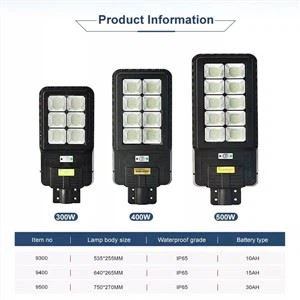
We offer a wide range of solar street lights that are designed to be resistant to electromagnetic interference. For instance, our 60 Watt Solar Street Light is built with robust shielding and filtering mechanisms to ensure stable performance even in challenging electromagnetic environments. The MPPT Controller with Camera Solar Street Light is another example. It combines advanced MPPT technology for efficient power conversion with a camera for enhanced security. Despite its complex electronics, it is engineered to withstand electromagnetic interference. Our Outdoor IP67 Solar Street Light is also designed to be highly resistant to EMI, making it suitable for outdoor applications where it may be exposed to various sources of interference.
Conclusion
In conclusion, while solar street lights can be affected by electromagnetic interference, the impact can be minimized through proper design and engineering. At our company, we are committed to providing high - quality solar street lights that are reliable and efficient, even in the presence of EMI. Our products are designed with advanced shielding, filtering, and compliance with EMC standards to ensure optimal performance.
If you are considering purchasing solar street lights for your project, we invite you to contact us for more information. Our team of experts is ready to assist you in selecting the right product for your needs and answering any questions you may have about electromagnetic interference or other aspects of solar street lights.
References
- International Electrotechnical Commission (IEC). (20xx). Electromagnetic compatibility (EMC) standards.
- IEEE Standards Association. (20xx). Standards for electromagnetic interference and compatibility.
- Manufacturer's specifications for solar street light components.