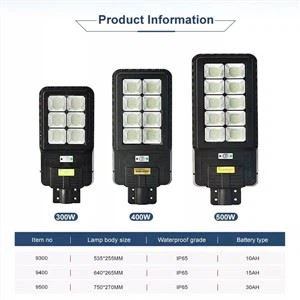
As a supplier of Straight Solar Street Lights, I often receive inquiries from customers in coastal areas about the suitability of our products for their specific environment. Coastal regions present unique challenges and opportunities for solar street lighting systems, and in this blog post, I will delve into the factors that determine whether a straight solar street light can be effectively used in these areas.
Understanding the Coastal Environment
Coastal areas are characterized by a combination of factors that can significantly impact the performance and longevity of solar street lights. One of the most prominent challenges is the high level of humidity and saltwater exposure. The salty air can corrode metal components, damage electrical connections, and reduce the efficiency of solar panels. Additionally, coastal regions are prone to strong winds, heavy rainfall, and occasional storms, which can subject the street lights to physical stress and potential damage.
Another important consideration is the availability of sunlight. While coastal areas generally receive a fair amount of sunlight, the presence of clouds, fog, and sea breezes can reduce the intensity and duration of sunlight exposure. This can affect the charging efficiency of the solar panels and the overall performance of the street lights.


Advantages of Using Straight Solar Street Lights in Coastal Areas
Despite the challenges, there are several advantages to using straight solar street lights in coastal areas. Firstly, solar energy is a clean and renewable source of power, which is particularly important in environmentally sensitive coastal regions. By using solar street lights, coastal communities can reduce their reliance on traditional grid-based electricity, thereby lowering their carbon footprint and contributing to a more sustainable future.
Secondly, straight solar street lights are independent of the grid, which means they can continue to operate during power outages caused by storms or other natural disasters. This is especially crucial in coastal areas, where power disruptions are more common due to the vulnerability of the grid infrastructure to extreme weather conditions.
Thirdly, straight solar street lights are relatively easy to install and maintain, which makes them a cost-effective solution for coastal communities. Unlike traditional grid-based street lights, which require extensive wiring and infrastructure, solar street lights can be installed quickly and easily, without the need for expensive trenching or underground cabling. Additionally, solar street lights have fewer moving parts and require less maintenance, which reduces the overall cost of ownership over the lifetime of the system.
Key Considerations for Using Straight Solar Street Lights in Coastal Areas
When considering the use of straight solar street lights in coastal areas, there are several key factors that need to be taken into account. These include:
1. Material Selection
To withstand the harsh coastal environment, it is important to choose solar street lights that are made from high-quality, corrosion-resistant materials. The poles and frames of the street lights should be made from stainless steel or aluminum, which are both resistant to rust and corrosion. The solar panels should also be protected by a durable, weather-resistant coating to prevent damage from saltwater and other environmental factors.
2. IP Rating
The IP (Ingress Protection) rating of the solar street lights is an important consideration, as it indicates the level of protection against dust and water ingress. In coastal areas, it is recommended to choose solar street lights with a high IP rating, such as IP65 or higher, to ensure that they are protected against the ingress of saltwater, sand, and other debris.
3. Wind Resistance
Coastal areas are often subject to strong winds, so it is important to choose solar street lights that are designed to withstand high wind speeds. The poles and frames of the street lights should be designed to be aerodynamic and stable, and they should be securely anchored to the ground to prevent them from being blown over by strong winds.
4. Solar Panel Efficiency
The efficiency of the solar panels is a critical factor in determining the performance of the solar street lights. In coastal areas, where sunlight exposure may be reduced due to clouds, fog, and sea breezes, it is important to choose solar panels with a high efficiency rating to ensure that they can generate enough power to charge the batteries and operate the lights.
5. Battery Capacity
The battery capacity of the solar street lights is another important consideration, as it determines how long the lights can operate during periods of low sunlight or at night. In coastal areas, where sunlight exposure may be intermittent, it is recommended to choose solar street lights with a larger battery capacity to ensure that they can provide reliable lighting throughout the night.
Our Product Offerings
At our company, we offer a range of high-quality straight solar street lights that are specifically designed for use in coastal areas. Our Led Solar Street Light with Pole is made from durable, corrosion-resistant materials and features a high-efficiency solar panel and a large-capacity battery, ensuring reliable performance even in harsh coastal environments. Our Solar Camera Street Light Connect Wifi is equipped with a built-in camera and wifi connectivity, allowing for remote monitoring and control of the lights, which is particularly useful in coastal areas where access to the lights may be limited. Our Solar Cob Street Light features a high-brightness COB LED light source, providing excellent illumination and energy efficiency.
Conclusion
In conclusion, straight solar street lights can be effectively used in coastal areas, provided that the appropriate considerations are taken into account. By choosing high-quality, corrosion-resistant materials, ensuring a high IP rating, designing for wind resistance, selecting efficient solar panels, and providing sufficient battery capacity, solar street lights can provide reliable, sustainable, and cost-effective lighting solutions for coastal communities.
If you are interested in learning more about our straight solar street lights or would like to discuss your specific requirements for coastal applications, please do not hesitate to contact us. We look forward to the opportunity to work with you and help you find the perfect solar street lighting solution for your coastal project.