Can Solar Cob Street Lights be used in areas with high humidity?
As a supplier of Solar Cob Street Lights, I often receive inquiries from customers in regions with high humidity about the suitability of our products in such environments. High humidity can pose unique challenges to electrical and electronic devices, and street lights are no exception. In this blog post, I will explore whether Solar Cob Street Lights can be effectively used in areas with high humidity, considering various factors such as the technology behind these lights, potential issues, and solutions.
Understanding Solar Cob Street Lights
Before delving into the impact of high humidity, it's essential to understand what Solar Cob Street Lights are. COB, or Chip-on-Board, is a lighting technology where multiple LED chips are directly mounted onto a substrate, creating a single lighting module. This design offers several advantages, including high luminous efficacy, better heat dissipation, and a more uniform light distribution compared to traditional LED lights.
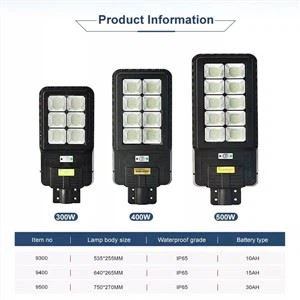
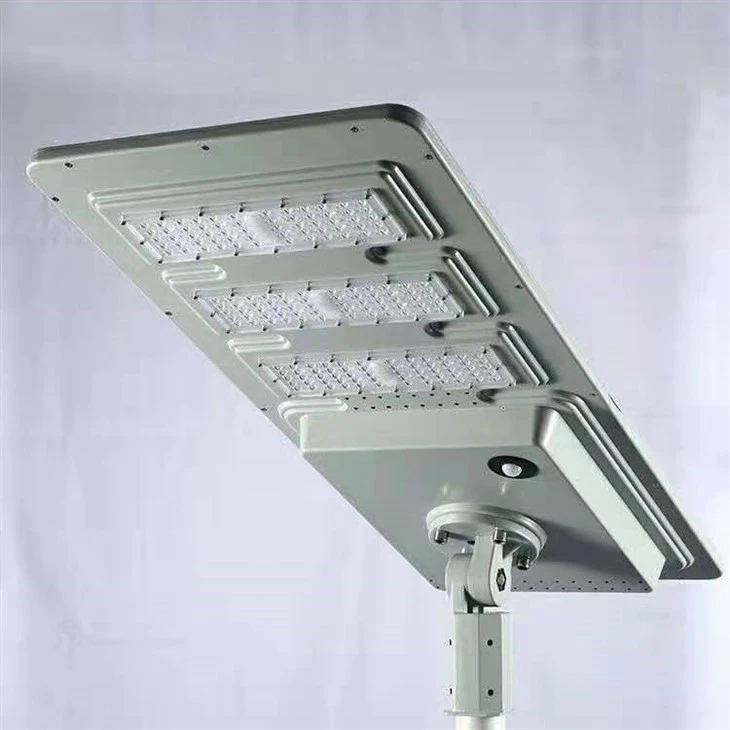
Solar Cob Street Lights combine this advanced lighting technology with a solar power system. They typically consist of a solar panel, a rechargeable battery, a control system, and the COB LED light source. During the day, the solar panel absorbs sunlight and converts it into electrical energy, which is stored in the battery. At night, the control system activates the COB LED light, using the stored energy to provide illumination.
Challenges Posed by High Humidity
High humidity can have several adverse effects on Solar Cob Street Lights. One of the primary concerns is corrosion. Moisture in the air can cause metal components, such as the lamp housing, brackets, and electrical connections, to rust and corrode over time. Corrosion can weaken the structural integrity of the light fixture, leading to mechanical failures and potentially compromising the safety of the installation.
Another issue is electrical shorts. Moisture can seep into the electrical components of the street light, including the battery, control system, and wiring. This can cause short circuits, which not only damage the electrical components but also pose a fire hazard. In addition, high humidity can increase the electrical resistance of the wiring, reducing the efficiency of the power transfer and potentially leading to dimmer lighting.
Mold and mildew growth is also a common problem in high-humidity environments. Mold and mildew can thrive on the surface of the solar panel, reducing its ability to absorb sunlight and convert it into electricity. They can also grow inside the light fixture, affecting the performance of the COB LED light and potentially causing it to fail prematurely.

Solutions to Overcome High Humidity Challenges
Despite these challenges, Solar Cob Street Lights can be successfully used in areas with high humidity by implementing appropriate design and installation measures. Here are some solutions that we, as a supplier, recommend:
1. Weatherproof Design
Our Solar Cob Street Lights are designed with a high level of weatherproofing to protect against moisture and corrosion. The lamp housing is made of high-quality materials, such as aluminum alloy or stainless steel. These materials are resistant to rust and corrosion, ensuring the long-term durability of the light fixture.
The housing is also sealed to prevent moisture from entering the internal components. We use gaskets and seals to create a watertight enclosure, protecting the battery, control system, and wiring from the effects of high humidity. Additionally, the electrical connections are coated with a protective layer to prevent corrosion and ensure reliable electrical conductivity.
2. Ventilation
Proper ventilation is essential to prevent the buildup of moisture inside the light fixture. Our Solar Cob Street Lights are equipped with ventilation holes or channels that allow air to circulate, reducing the humidity levels inside the housing. This helps to prevent condensation and the growth of mold and mildew.
3. Anti-Corrosion Coatings
To further enhance the corrosion resistance of our Solar Cob Street Lights, we apply anti-corrosion coatings to the metal components. These coatings provide an additional layer of protection against moisture and other environmental factors, extending the lifespan of the light fixture.
4. Regular Maintenance
Regular maintenance is crucial to ensure the optimal performance of Solar Cob Street Lights in high-humidity areas. We recommend inspecting the lights periodically for signs of corrosion, mold, or mildew growth. Any damaged or corroded components should be replaced immediately to prevent further damage.
In addition, the solar panel should be cleaned regularly to remove dirt, dust, and any mold or mildew that may have accumulated on its surface. This helps to maintain the efficiency of the solar panel and ensure that it can generate enough electricity to power the light.
Real-World Examples
We have installed our Solar Cob Street Lights in many areas with high humidity, including coastal regions and tropical climates. In these installations, we have taken the necessary precautions to ensure the long-term performance and reliability of the lights.
For example, in a coastal city, we installed a series of LED COB Solar Street Lights along a beachfront promenade. The lights were designed with a weatherproof housing and anti-corrosion coatings to protect against the saltwater and high humidity in the area. After several years of operation, the lights are still functioning well, providing reliable illumination for the pedestrians.
In another project in a tropical rainforest, we installed Solar Road Light on a forest trail. The lights were equipped with ventilation holes and regular maintenance was carried out to prevent the growth of mold and mildew. The lights have been able to withstand the high humidity and heavy rainfall in the area, ensuring the safety of the hikers.
Conclusion
In conclusion, Solar Cob Street Lights can be used in areas with high humidity, provided that appropriate design and installation measures are taken to address the challenges posed by moisture. Our products are designed to be weatherproof, corrosion-resistant, and equipped with ventilation to prevent the buildup of moisture. Regular maintenance is also essential to ensure the long-term performance and reliability of the lights.
If you are considering installing Solar Cob Street Lights in an area with high humidity, we encourage you to contact us for more information. Our team of experts can provide you with detailed technical specifications, installation guidelines, and maintenance recommendations to ensure that your project is a success. We are committed to providing high-quality products and excellent customer service, and we look forward to working with you to meet your lighting needs.
References
- "LED Lighting Handbook" by John W. Yarbrough
- "Solar Power Systems: Design and Installation" by Paul Gipe
- "Corrosion Prevention and Control in Electrical Systems" by NACE International