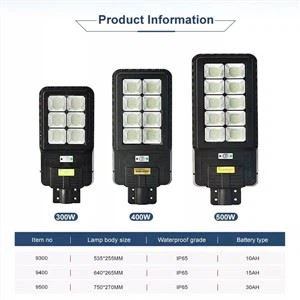
As a supplier of solar powered street lights, I've often been asked whether these innovative lighting solutions are suitable for rural areas. The answer is a resounding yes! In fact, solar powered street lights offer numerous advantages that make them an ideal choice for rural communities. In this blog post, I'll explore the feasibility and benefits of using solar powered street lights in rural areas, highlighting why they are a smart investment for these regions.
The Feasibility of Solar Powered Street Lights in Rural Areas
Abundant Solar Resources
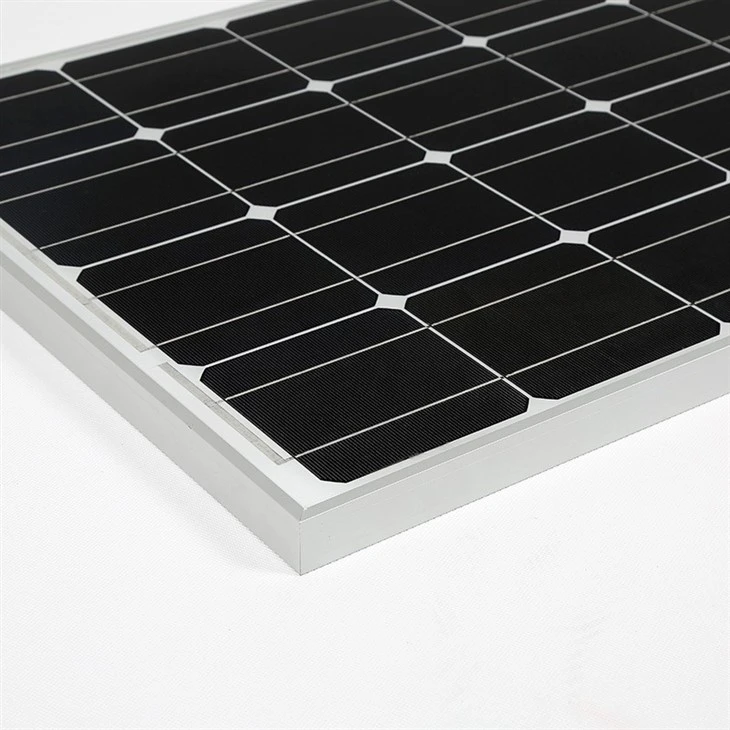
One of the primary reasons solar powered street lights are well-suited for rural areas is the abundance of sunlight. Rural regions typically have fewer buildings and less air pollution, allowing for more direct sunlight exposure. This means that solar panels can efficiently capture sunlight and convert it into electricity throughout the day, even in remote locations. With advancements in solar panel technology, such as Solar Panels, these lights can generate sufficient power to illuminate streets during the night, even in areas with limited sunlight hours.
Independence from the Grid
Rural areas often face challenges with accessing reliable electricity from the grid. Power outages are more common, and the cost of extending the grid to remote locations can be prohibitively expensive. Solar powered street lights offer a solution to these problems by operating independently of the grid. They rely on solar energy stored in batteries during the day to power the lights at night. This not only eliminates the need for costly grid connections but also ensures continuous lighting, even during power outages. For rural communities, this means improved safety and security, as well as enhanced economic development opportunities.
Low Maintenance Requirements
Another advantage of solar powered street lights is their low maintenance requirements. Unlike traditional street lights that rely on electricity from the grid, solar lights have fewer components and are less prone to mechanical failures. The solar panels, batteries, and LED lights are designed to be durable and long-lasting, requiring minimal maintenance over their lifespan. This makes them an ideal choice for rural areas where access to maintenance services may be limited. Additionally, many solar powered street lights are equipped with smart features, such as Smart Solar Street Light, which can automatically adjust the lighting intensity based on the time of day and ambient light conditions, further reducing energy consumption and maintenance costs.
The Benefits of Solar Powered Street Lights in Rural Areas
Improved Safety and Security
One of the most significant benefits of solar powered street lights in rural areas is improved safety and security. Well-lit streets reduce the risk of accidents, crime, and wildlife collisions, making rural communities safer for residents and visitors alike. Solar lights can be strategically placed along roads, pathways, and public areas to provide adequate illumination, enhancing visibility and reducing the likelihood of accidents. Additionally, the presence of street lights can deter criminal activity, making rural areas less attractive to potential criminals.
Enhanced Quality of Life
Solar powered street lights also contribute to an enhanced quality of life in rural areas. They allow residents to engage in outdoor activities after dark, such as walking, cycling, and socializing, which can improve physical and mental health. Well-lit streets also make it easier for emergency services to respond to calls, reducing response times and potentially saving lives. In addition, solar lights can enhance the aesthetic appeal of rural communities, making them more attractive places to live and visit.
Environmental Sustainability
Solar powered street lights are a sustainable lighting solution that helps to reduce carbon emissions and protect the environment. By using renewable solar energy, these lights eliminate the need for fossil fuels, which are a major source of greenhouse gas emissions. This not only helps to combat climate change but also reduces air pollution and its associated health risks. Additionally, solar lights do not produce any noise or light pollution, making them a more environmentally friendly alternative to traditional street lights.
Economic Development
The installation of solar powered street lights can also have a positive impact on economic development in rural areas. Well-lit streets can attract businesses and tourists, creating new job opportunities and boosting the local economy. Additionally, solar lights can reduce energy costs for rural communities, freeing up funds for other important projects and services. For example, the money saved on energy bills can be used to improve infrastructure, education, and healthcare, which can further enhance the quality of life in rural areas.
Considerations for Installing Solar Powered Street Lights in Rural Areas
While solar powered street lights offer many benefits for rural areas, there are some considerations to keep in mind when installing them. These include:
Site Selection
The location of the solar panels is crucial for maximizing their efficiency. They should be installed in an area that receives direct sunlight for most of the day, away from shading objects such as trees and buildings. Additionally, the site should be level and stable to ensure the proper installation and operation of the solar lights.
Battery Capacity
The battery capacity of the solar powered street lights should be carefully selected based on the average sunlight hours in the area and the desired lighting duration. A larger battery capacity will allow the lights to operate for longer periods during cloudy days or extended periods of low sunlight.
Lighting Design
The lighting design of the solar powered street lights should be tailored to the specific needs of the rural area. This includes considering the type of road or pathway, the traffic volume, and the desired lighting level. For example, roads with higher traffic volumes may require brighter lights, while pathways in residential areas may require softer, more ambient lighting.
Maintenance and Monitoring
Regular maintenance and monitoring of the solar powered street lights are essential to ensure their optimal performance. This includes cleaning the solar panels, checking the battery levels, and replacing any faulty components. Additionally, remote monitoring systems can be installed to track the performance of the lights and detect any issues in real-time.
Conclusion
In conclusion, solar powered street lights are a viable and beneficial solution for rural areas. They offer numerous advantages, including abundant solar resources, independence from the grid, low maintenance requirements, improved safety and security, enhanced quality of life, environmental sustainability, and economic development. While there are some considerations to keep in mind when installing solar powered street lights in rural areas, these can be easily addressed with proper planning and design.
If you're interested in exploring the possibility of installing solar powered street lights in your rural community, I encourage you to reach out to us for a consultation. We have a wide range of high-quality solar powered street lights, including Lithium Battery Solar Street Light, to meet your specific needs and budget. Our team of experts can help you determine the best solution for your area and provide you with all the information you need to make an informed decision. Let's work together to bring the benefits of solar lighting to your rural community.

References
- "Solar Power for Rural Development." International Renewable Energy Agency (IRENA).
- "Benefits of Solar Street Lights in Rural Areas." World Bank.
- "Solar Lighting Technology: A Guide for Rural Communities." United Nations Development Programme (UNDP).