Solar energy has emerged as a sustainable and cost - effective solution for various lighting needs, and solar street lights have gained significant popularity in recent years. One question that often comes up is whether solar street lights can be used in hospital premises. As a dedicated solar street lights supplier, I will explore this topic in detail, highlighting the scientific basis, advantages, and potential challenges of using solar street lights in hospital settings.
Scientific Feasibility of Solar Street Lights for Hospitals
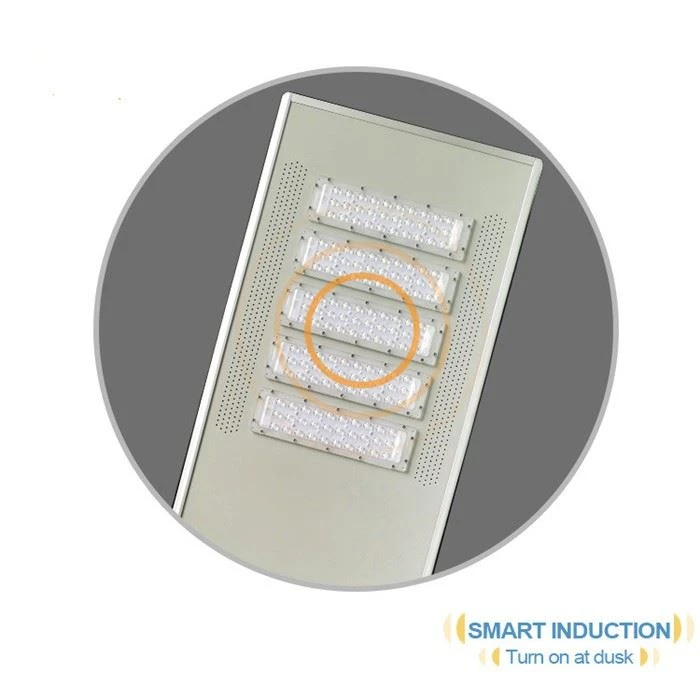
Solar street lights operate on the principle of converting sunlight into electricity through photovoltaic (PV) panels. During the day, the PV panels absorb sunlight and convert it into direct current (DC) electricity, which is then stored in batteries. At night, the charge controller releases the stored energy to power the LED lights. This process is based on well - established scientific principles and has been proven reliable in various environments.
Hospitals are typically large complexes with extensive outdoor areas such as parking lots, walkways, and access roads. These areas require adequate lighting for the safety and convenience of patients, visitors, and staff. Solar street lights can provide sufficient illumination, thanks to the high - efficiency LEDs commonly used in their design. Modern LEDs are capable of producing bright, white light that closely mimics natural daylight, which is beneficial for visibility and can also have a positive psychological impact on people moving around the hospital premises.
Advantages of Using Solar Street Lights in Hospital Premises
1. Energy Efficiency and Cost Savings
One of the most significant advantages of solar street lights is their energy efficiency. Since they rely on solar power, they do not draw electricity from the grid, which can result in substantial cost savings for hospitals in the long run. Hospitals have high energy demands, and reducing their energy consumption can free up funds to be used for other critical areas such as patient care and medical research.
For example, a large hospital with a significant amount of outdoor lighting can cut down on its electricity bills by installing solar street lights. Over time, the savings can be substantial, especially considering that the initial investment in solar street lights is offset by the long - term reduction in energy costs.
2. Environmental Friendliness
In an era where environmental sustainability is a top priority, solar street lights offer a greener alternative to traditional street lights. By using solar energy, they produce zero emissions during operation, helping hospitals to reduce their carbon footprint. This not only contributes to a cleaner environment but also aligns with the social responsibility goals of many healthcare institutions.
3. Reliability and Independence
Solar street lights are designed to be reliable, even in areas with unstable grid power. With proper battery storage, they can provide continuous lighting throughout the night, regardless of power outages. This is particularly important for hospitals, where uninterrupted lighting is crucial for emergency situations and patient safety. For instance, in case of a natural disaster or a power grid failure, solar street lights can ensure that the hospital's outdoor areas remain well - lit, facilitating emergency evacuations and the movement of medical personnel and emergency vehicles.
4. Low Maintenance
Solar street lights generally have a low maintenance requirement compared to traditional street lights. The LED lights have a long lifespan, often lasting up to 50,000 hours or more, which means fewer replacements. Additionally, the PV panels and batteries are designed to be durable and require minimal upkeep. This reduced maintenance burden can save hospitals time and money on maintenance costs.
Different Types of Solar Street Lights Suitable for Hospitals
1. 90 Watt Solar Street Light with Pole
The 90 Watt Solar Street Light with Pole is a great option for hospital walkways and smaller outdoor areas. This type of solar street light provides a good balance between brightness and energy consumption. The 90 - watt LED can produce sufficient illumination for safe pedestrian movement, and the included pole is easy to install.
2. Integrated Solar Street Lights
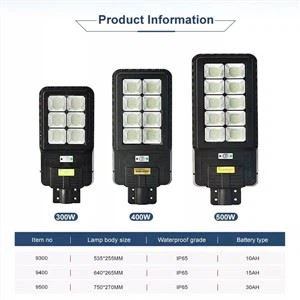
Integrated Solar Street Lights are another excellent choice for hospital premises. These lights combine the PV panel, battery, and LED light into a single unit, which simplifies installation and reduces the risk of component failure. They are also more aesthetically pleasing and can blend well with the hospital's architecture.
3. 120W Installation Of 10 Meters High Pole Solar Street Light
For larger areas such as hospital parking lots, the 120W Installation Of 10 Meters High Pole Solar Street Light is ideal. The higher pole and 120 - watt LED can cover a larger area, ensuring comprehensive lighting for vehicles and pedestrians. The increased height also reduces the risk of damage from accidental collisions.

Potential Challenges and Solutions
1. Limited Sunlight Availability
In some regions, hospitals may experience periods of limited sunlight, such as in areas with heavy cloud cover or long winters. This can affect the charging of the solar street lights' batteries. To address this issue, larger battery capacities can be installed to store more energy during sunny days. Additionally, the use of advanced charge controllers can optimize the charging process, ensuring that the batteries are charged as efficiently as possible even in low - light conditions.
2. Vandalism and Theft
Hospitals are public places, and there is a risk of vandalism and theft of solar street lights. To mitigate this risk, the lights can be designed with sturdy and tamper - resistant components. Additionally, some solar street lights come with anti - theft features such as locking mechanisms and GPS tracking, which can help to deter potential thieves and facilitate recovery if the lights are stolen.
Conclusion and Call to Action
In conclusion, solar street lights can be effectively used in hospital premises. They offer numerous advantages in terms of energy efficiency, cost savings, environmental friendliness, reliability, and low maintenance. With the right selection of solar street lights, such as the 90 Watt Solar Street Light with Pole, Integrated Solar Street Lights, or the 120W Installation Of 10 Meters High Pole Solar Street Light, hospitals can enhance the safety and lighting quality of their outdoor areas while contributing to a more sustainable future.
If you are a hospital administrator or responsible for the infrastructure of a healthcare facility and are interested in learning more about our solar street lights or would like to discuss a potential procurement, we encourage you to reach out. Our team of experts is ready to provide you with detailed information, customized solutions, and a competitive quote. Make the switch to solar street lights today and experience the benefits for your hospital.
References
- DOE. (2023). Energy Efficiency and Renewable Energy: Solar Energy Technologies Office.
- IEEE. (2022). Transactions on Sustainable Energy.
- International Energy Agency. (2022). Renewable Energy Market Analysis.