Rainy weather is a common natural phenomenon that poses certain challenges to the normal operation of solar street lamp posts. As a professional solar street lamp post supplier, we have in - depth knowledge and effective solutions to deal with rainy weather.
1. The Impact of Rainy Weather on Solar Street Lamp Posts
1.1 Reduced Solar Energy Absorption
During rainy days, the sky is often covered with thick clouds, which significantly reduces the intensity of sunlight reaching the solar panels. Solar panels rely on sunlight to convert solar energy into electrical energy. With less sunlight, the charging efficiency of the battery in the solar street lamp post drops sharply. For example, on a clear sunny day, a high - quality solar panel might be able to charge the battery to full capacity within a few hours. However, during continuous rainy days, the charging amount in a day could be less than 20% of the normal capacity, depending on the cloud cover and rainfall intensity.
1.2 Potential for Water Ingress
Rainwater can cause damage to the internal components of solar street lamp posts if it enters the lamp housing or electrical circuits. The electrical components, such as the battery, controller, and LED light source, are sensitive to moisture. Water ingress can lead to short - circuits, corrosion of metal parts, and ultimately, the failure of the entire system. For instance, if water seeps into the battery compartment, it can cause the battery terminals to corrode, reducing the battery's lifespan and performance.


1.3 Impact on Structural Integrity
Prolonged exposure to rain can also affect the structural integrity of the solar street lamp post. The metal parts of the lamp post may rust, and the plastic or composite materials may degrade over time due to the constant wetting and drying cycles. This can weaken the overall structure of the lamp post, making it more prone to damage from wind or other external forces.
2. How Our Solar Street Lamp Posts Are Designed to Handle Rainy Weather
2.1 High - Efficiency Solar Panels
We use high - efficiency solar panels in our Solar Street Light with Arm. These panels are designed to capture as much sunlight as possible, even under low - light conditions such as during rainy days. They have a higher conversion rate, which means they can generate more electricity from the limited sunlight available. For example, our latest generation of solar panels can still produce a certain amount of power on overcast days, helping to maintain the charge of the battery to a certain extent.
2.2 Waterproof and Sealed Design
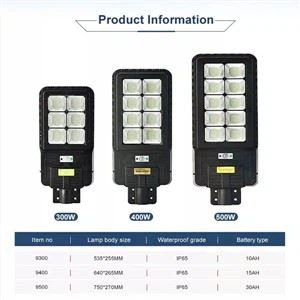
All our solar street lamp posts are engineered with a waterproof and sealed design. The lamp housing is made of high - quality materials with excellent waterproof performance. The joints and seams are carefully sealed to prevent rainwater from entering the internal components. For the Integrated Solar Panel Street Lamp, we use special gaskets and sealing compounds to ensure a tight seal. The electrical connections are also protected by waterproof covers, reducing the risk of short - circuits caused by water ingress.
2.3 Intelligent Battery Management System
Our solar street lamp posts are equipped with an intelligent battery management system. This system can monitor the battery's state of charge and adjust the charging and discharging processes according to the weather conditions. During rainy days, when the solar charging is limited, the system will optimize the power consumption of the LED light source. For example, it may reduce the brightness of the light at certain times to ensure that the battery has enough power to last through the night. Additionally, the battery management system can prevent over - discharging, which can damage the battery, and extend the battery's lifespan.
2.4 Corrosion - Resistant Materials
To ensure the structural integrity of the lamp post in rainy weather, we use corrosion - resistant materials. The lamp post is usually made of galvanized steel or aluminum alloy, which have good resistance to rust and corrosion. The surface of the materials is also treated with special coatings to further enhance their anti - corrosion properties. This helps to maintain the strength and stability of the lamp post over a long period, even in harsh weather conditions.
3. Case Studies of Our Solar Street Lamp Posts in Rainy Areas
3.1 Coastal Region Project
We installed our solar street lamp posts in a coastal region with high humidity and frequent rainfall. The The Integrated LED Street Light Is Upgraded was used in this project. Despite the challenging weather conditions, the lamp posts have been operating stably for several years. The waterproof design effectively prevented water ingress, and the high - efficiency solar panels were able to charge the batteries even on cloudy days. The intelligent battery management system adjusted the light output according to the available power, ensuring continuous illumination at night.
3.2 Tropical Rainforest Project
In a project located in a tropical rainforest area with heavy and continuous rainfall, our solar street lamp posts also demonstrated excellent performance. The corrosion - resistant materials of the lamp post withstood the long - term exposure to moisture, and the sealed design protected the internal components from water damage. The solar panels, although receiving less sunlight during the rainy season, still managed to provide enough power to keep the lights on, thanks to their high - efficiency design.
4. Maintenance Tips for Solar Street Lamp Posts in Rainy Weather
4.1 Regular Inspection
It is important to conduct regular inspections of the solar street lamp posts during and after rainy weather. Check for any signs of water ingress, such as moisture inside the lamp housing or on the electrical components. Inspect the structural integrity of the lamp post, looking for any rust, cracks, or loose parts. If any problems are found, they should be addressed promptly to prevent further damage.
4.2 Cleaning the Solar Panels
Rain can sometimes leave dirt, dust, and debris on the surface of the solar panels, which can reduce their efficiency. After the rain stops, clean the solar panels gently with a soft cloth and clean water to remove any contaminants. This will help the panels absorb more sunlight and improve their charging performance.
4.3 Battery Maintenance
Monitor the battery's state of charge regularly, especially during long periods of rainy weather. If the battery is not charging properly or shows signs of degradation, it may need to be replaced. Follow the manufacturer's instructions for battery maintenance, such as proper charging and discharging procedures.
5. Conclusion
Rainy weather presents challenges to solar street lamp posts, but our products are well - equipped to handle these challenges. Through high - efficiency solar panels, waterproof and sealed design, intelligent battery management systems, and corrosion - resistant materials, our solar street lamp posts can operate stably in rainy areas. We have also provided case studies and maintenance tips to ensure the long - term performance of our products.
If you are interested in our solar street lamp posts and want to learn more about how they can handle rainy weather or discuss your specific project requirements, please feel free to contact us for procurement and negotiation. We are committed to providing you with high - quality products and excellent service.
References
- Smith, J. (2020). Solar Street Lighting Technology: Design and Installation. London: Energy Press.
- Brown, A. (2019). Weather - Resistant Design of Outdoor Lighting Systems. New York: Lighting Journal Publications.
- Green, C. (2021). Advances in Solar Panel Efficiency for Low - Light Conditions. Renewable Energy Review, 15(3), 22 - 35.