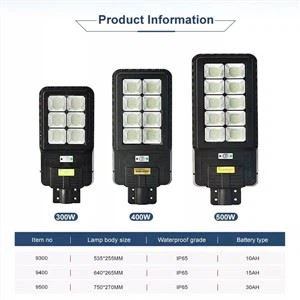
Hey there! As a street light solar supplier, I've been in the thick of the lighting game for quite a while. One question that comes up all the time is, "What's the difference between solar and traditional street lights?" Well, let's dive right in and break it down.
How They Work
First off, let's talk about how these two types of street lights get their power. Traditional street lights are usually hooked up to the electrical grid. That means they rely on power plants, whether they're coal - fired, hydro - electric, or natural gas - powered, to supply the electricity they need to shine. It's a tried - and - true system that's been around for ages. You flip a switch, and the power flows through the wires to light up the bulbs.
On the other hand, solar street lights are all about harnessing the sun's energy. They come with solar panels on top that soak up sunlight during the day. These panels convert the sunlight into electricity and store it in batteries. Then, when night falls, the stored energy is used to power the LED lights. It's like having a little power station on each light pole!
Installation
When it comes to installation, there's a big difference between the two. Installing traditional street lights can be a real headache. You've got to dig trenches for the electrical cables, which can be time - consuming and expensive. There are also permits and inspections to deal with, and you need to coordinate with the local power company. It's a complex process that often requires a team of professionals.
Solar street lights, on the other hand, are a breeze to install. Since they don't need to be connected to the grid, there's no need for all that trenching and cabling. You can just mount the light pole, attach the solar panel and the light fixture, and you're good to go. It's a much quicker and more straightforward process, which means less downtime and lower installation costs.
Cost
Cost is always a major factor when it comes to any lighting project. Traditional street lights have a relatively low upfront cost for the fixtures themselves. However, the long - term costs can add up quickly. You've got to pay for the electricity they use, which can be a significant expense over time. There are also maintenance costs for the electrical infrastructure, like fixing broken cables or replacing transformers.
Solar street lights, while they may have a higher upfront cost, can save you a ton of money in the long run. Once they're installed, there's no electricity bill because they run on free solar energy. The only maintenance they need is occasional checks on the solar panels and batteries, which is much less expensive compared to traditional street lights.
Environmental Impact
In today's world, environmental impact is a big deal. Traditional street lights, especially those powered by fossil fuels, contribute to greenhouse gas emissions. The power plants that generate the electricity release carbon dioxide and other pollutants into the atmosphere, which can have a negative impact on the environment and contribute to climate change.


Solar street lights, on the other hand, are a clean and green alternative. They produce zero emissions during operation because they use renewable solar energy. By choosing solar street lights, you're doing your part to reduce your carbon footprint and help protect the environment.
Lighting Performance
When it comes to lighting performance, both types have their pros and cons. Traditional street lights can provide a consistent level of illumination because they're connected to a stable power source. However, they may not be as energy - efficient as solar street lights.
Solar street lights, with their LED technology, are highly energy - efficient. They can produce a bright, focused light that's just as good as traditional street lights. Some solar street lights even come with smart sensors that can adjust the brightness based on the time of night or the amount of ambient light. This not only saves energy but also provides better lighting where and when it's needed.
Durability
Durability is another important factor. Traditional street lights are built to last, but they're often more vulnerable to power outages. If there's a problem with the electrical grid, the lights will go out. They're also more prone to damage from electrical surges or lightning strikes.
Solar street lights are designed to be more resilient. Since they're not connected to the grid, they're not affected by power outages. They're also built with weather - resistant materials to withstand harsh conditions like rain, snow, and extreme temperatures. The batteries are usually sealed and protected to ensure a long lifespan.
Some of Our Great Products
If you're interested in solar street lights, we've got some great options. Check out our COB Street Lights Factory. These lights are made with high - quality COB LED technology, which provides excellent lighting performance.
We also have 150w Solar Street Lights. They're perfect for large areas that need bright illumination, like parking lots or industrial sites.
And for smaller areas, our 60w 8m Outdoor Led Solar Street Light is a great choice. It's easy to install and provides just the right amount of light for sidewalks or residential areas.
Let's Talk
If you're considering a lighting project, whether it's for a small neighborhood or a large commercial area, I'd love to talk to you. Solar street lights are a smart, cost - effective, and environmentally friendly choice. We can work together to find the right solution for your needs. Don't hesitate to reach out and start the conversation about your next lighting project.
References
- "The Handbook of Lighting Design" by Paul DiLaura
- "Solar Energy Basics" by the National Renewable Energy Laboratory
- "LED Lighting Technology" by the Illuminating Engineering Society