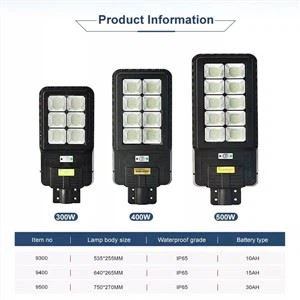
When it comes to straight solar street lights, one crucial component that often goes unnoticed but plays a significant role in the overall functionality and durability of the system is the pole. The pole of a straight solar street light serves as the backbone, providing support for the solar panel, the lighting fixture, and other associated components. In this blog post, we will explore the various materials used for the poles of straight solar street lights, their characteristics, and the factors to consider when choosing the right material. As a leading supplier of straight solar street lights, we have extensive experience in this field and are committed to providing high-quality products to our customers.
Common Materials for Straight Solar Street Light Poles
Steel
Steel is one of the most commonly used materials for solar street light poles. It is known for its strength, durability, and versatility. Steel poles can withstand harsh weather conditions, including strong winds, heavy rain, and snow. They are also resistant to corrosion, especially when properly coated or galvanized.
There are different types of steel that can be used for poles, such as carbon steel and stainless steel. Carbon steel is a cost - effective option and provides good strength. However, it may require regular maintenance to prevent rusting. Stainless steel, on the other hand, is more corrosion - resistant and has a sleek appearance. It is often used in areas where aesthetics are important or in coastal regions where the air is salty.
The manufacturing process of steel poles involves cutting, bending, and welding. This allows for the production of poles in various shapes and sizes to meet different installation requirements. For example, we offer a 90 Watt Solar Street Light with Pole that features a sturdy steel pole, ensuring long - term stability and performance.
Aluminum
Aluminum is another popular material for solar street light poles. It is lightweight, which makes it easier to transport and install compared to steel poles. Aluminum also has excellent corrosion resistance, as it forms a natural oxide layer on its surface that protects it from rust and other forms of corrosion.
One of the advantages of aluminum poles is their high strength - to - weight ratio. This means that they can provide sufficient support for the solar street light components while being relatively light. Additionally, aluminum is a recyclable material, which makes it an environmentally friendly choice.
Aluminum poles are often extruded, which allows for the creation of complex shapes and profiles. This can be beneficial for achieving specific design requirements. Our 30w 60w 90w Solar Street Lights are available with aluminum poles, offering a combination of durability and ease of installation.
Fiberglass
Fiberglass poles are a relatively newer option in the market. They are made by combining glass fibers with a resin matrix. Fiberglass poles are known for their excellent electrical insulation properties, which can be an advantage in areas where there is a risk of electrical interference.
These poles are also lightweight and have good resistance to corrosion, weathering, and UV radiation. They can withstand extreme temperatures without significant deformation. Fiberglass poles are often used in areas where aesthetics are a priority, as they can be molded into various shapes and colors.
However, fiberglass poles may be more expensive than steel or aluminum poles. They also require careful handling during installation to prevent damage to the fibers.
Wood
Although less common, wood can also be used for solar street light poles. Wood has a natural and aesthetically pleasing appearance that can blend well with certain environments, such as parks or residential areas.
However, wood poles have some limitations. They are susceptible to rot, insect damage, and fire. To overcome these issues, the wood needs to be treated with preservatives. The treatment process can extend the lifespan of the wood pole, but it also adds to the cost and environmental impact.
Factors to Consider When Choosing the Pole Material
Location
The location where the solar street light will be installed is a crucial factor in choosing the pole material. In coastal areas, where the air is salty, corrosion - resistant materials like stainless steel or aluminum are preferred. In areas with high wind speeds, stronger materials such as steel are necessary to ensure the stability of the pole.
Aesthetics
The appearance of the pole can also be an important consideration. If the solar street light is being installed in a public space or a residential area, the pole should blend in with the surrounding environment. Fiberglass and wood poles offer more options for customization in terms of shape and color, making them suitable for aesthetically sensitive locations.
Cost
Cost is always a significant factor in any purchasing decision. Steel poles are generally more cost - effective, especially carbon steel. Aluminum poles are moderately priced, while fiberglass and wood poles tend to be more expensive. It is important to balance the cost with the performance and durability requirements.
Maintenance
Different materials require different levels of maintenance. Steel poles may need regular painting or coating to prevent rusting. Wood poles need to be treated periodically to prevent rot and insect damage. Aluminum and fiberglass poles, on the other hand, require less maintenance due to their inherent corrosion - resistant properties.
Our Product Offerings
As a leading supplier of straight solar street lights, we understand the importance of choosing the right pole material. We offer a wide range of solar street lights with different pole materials to meet the diverse needs of our customers. Our Lithium Iron Phosphate Battery Integrated Solar Street Lights come with poles made from high - quality steel or aluminum, ensuring reliable performance and long - term durability.
We also provide professional installation guidance and after - sales service to ensure that our customers have a seamless experience. Whether you are looking for a cost - effective solution for a large - scale project or a high - end option for a residential area, we have the right product for you.


Conclusion
The material of the pole of a straight solar street light is a critical factor that affects the performance, durability, and aesthetics of the entire system. Steel, aluminum, fiberglass, and wood each have their own unique characteristics and advantages. By considering factors such as location, aesthetics, cost, and maintenance, you can choose the most suitable material for your specific needs.
If you are interested in our straight solar street lights or have any questions about the pole materials, we encourage you to contact us for a detailed discussion. Our team of experts is ready to assist you in making the right choice for your solar street lighting project. We look forward to the opportunity to work with you and provide you with the best solar street light solutions.
References
- "Materials for Street Lighting Poles", International Association of Lighting Designers.
- "Solar Street Lighting Handbook", Solar Energy Industries Association.