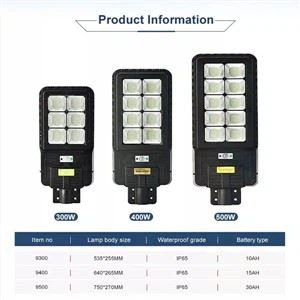
Hey there! I'm a supplier of 30w solar street lights. You might be wondering if a 30w solar street light can be used in polar regions. Well, let's dig into this interesting topic.
First off, let's take a quick look at what a 30w solar street light is. It's a pretty handy lighting solution that uses solar energy to power itself. The solar panel on top of the light absorbs sunlight during the day and converts it into electricity, which is then stored in a battery. When it gets dark, the light automatically turns on, providing illumination for streets, paths, or other outdoor areas. You can find more about the installation height aspect of a 30 - watt solar street light here: 30 Watt Solar Street Lamp Installation Height Of 6 Meters.
Now, let's talk about the polar regions. These areas are known for their extreme cold, long periods of darkness, and harsh environmental conditions. The question is, can our 30w solar street light handle all that?


Challenges in Polar Regions
Sunlight Availability
One of the biggest issues in polar regions is the limited sunlight. During the winter months, there can be several weeks or even months of continuous darkness, which means the solar panel won't be able to collect any energy. This is a major problem for a solar - powered device like our 30w street light. Without sunlight, the battery won't get recharged, and eventually, the light will stop working.
However, during the summer, the polar regions experience the opposite - continuous sunlight for weeks or months. This seems like a great opportunity for the solar panel to soak up as much energy as possible. But we also need to consider the angle of the sun. In polar regions, the sun is often low on the horizon, which means the solar panel might not receive direct sunlight for optimal energy collection.
Temperature
The extreme cold in polar regions is another huge challenge. Batteries, especially the ones used in solar street lights, don't perform well in very low temperatures. For example, the chemical reactions inside a lead - acid battery slow down significantly in cold weather, which reduces its capacity to store and deliver electricity. This can lead to a shorter lifespan of the battery and a decrease in the performance of the street light.
In recent years, more and more solar street lights are using lithium batteries. Lithium batteries generally have better performance in cold weather compared to lead - acid batteries. You can learn more about Lithium Battery Solar Street Light. However, even lithium batteries can be affected by extremely low temperatures, and their efficiency will still drop.
Snow and Ice
Snow and ice are common in polar regions. They can cover the solar panel, blocking sunlight from reaching it. Even a thin layer of snow or ice can significantly reduce the amount of energy the panel can collect. And if the accumulated snow or ice is too heavy, it might even damage the solar panel or the structure of the street light.
Possible Solutions
Battery Capacity and Storage
To deal with the long periods of darkness, we can increase the battery capacity of the 30w solar street light. A larger battery can store more energy during the sunny days, which can then be used to power the light during the dark periods. However, this also means a bigger and heavier battery, which might increase the cost of the street light.
Battery Heating System
To counter the effects of cold temperatures on the battery, we can install a battery heating system. This system can keep the battery at a relatively stable temperature, ensuring that it can function properly even in freezing conditions. But again, this adds to the complexity and cost of the street light.
Snow - proof Design
For the problem of snow and ice covering the solar panel, we can design the street light with a sloped or curved solar panel. This design makes it easier for snow and ice to slide off the panel. Additionally, we can use special coatings on the panel to prevent snow and ice from adhering to it.
Cost - effectiveness
When considering using a 30w solar street light in polar regions, cost - effectiveness is a crucial factor. The additional features like larger batteries, battery heating systems, and snow - proof designs will increase the price of the street light. You can check out the All - in - One Solar Street Light Price to get an idea of how these additional features might impact the cost.
On the other hand, compared to traditional grid - connected street lights, solar street lights don't require the installation of power lines, which can be extremely expensive and difficult in polar regions. So, in the long run, solar street lights might still be a more cost - effective solution, especially for remote areas in the polar regions.
Conclusion
So, can a 30w solar street light be used in polar regions? The answer is yes, but with some challenges and considerations. With the right design and additional features, it's possible to make a 30w solar street light work in these extreme environments.
If you're interested in our 30w solar street lights and want to discuss how they can be adapted to your specific needs in polar regions or other areas, feel free to reach out to us. We're here to answer all your questions and work with you on the best lighting solutions.
References
- General knowledge about solar energy and polar environmental conditions from scientific textbooks.
- Industry reports on the performance of solar street lights in extreme weather.