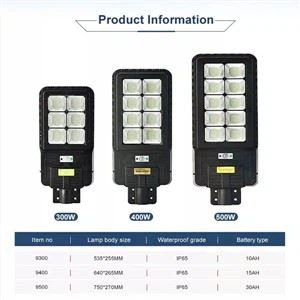
Hey there! As a tunnel light supplier, I often get asked about the illumination level required for tunnel lights. It's a crucial question because the right lighting in tunnels isn't just about visibility; it's about safety, energy efficiency, and overall functionality. So, let's dive into what illumination levels are needed for tunnel lights.
Understanding Illumination Levels
First off, what exactly do we mean by illumination level? Well, it's basically the amount of light that reaches a surface. In the context of tunnels, we measure it in lux (lx), which is the SI unit for illuminance. Think of it as how bright the light is at a specific point inside the tunnel.
The illumination level required for a tunnel depends on several factors. One of the most important ones is the speed of traffic. Higher - speed traffic needs better lighting so that drivers have enough time to react to any obstacles or changes in the tunnel environment. For example, on a highway tunnel where cars are traveling at high speeds, you'll need a higher illumination level compared to a slow - moving urban tunnel.
Another factor is the type of tunnel. A long tunnel might require different lighting than a short one. In a long tunnel, you need to maintain a consistent level of illumination throughout to avoid the "black hole" or "white hole" effect. The "black hole" effect occurs when a driver enters a tunnel during the day and the inside appears very dark, while the "white hole" effect happens when exiting a tunnel.


Recommended Illumination Levels
Now, let's talk about the actual recommended illumination levels. According to international standards and guidelines, there are different zones in a tunnel where the illumination levels vary.
The entrance zone is the area where drivers are transitioning from the bright outside environment to the relatively darker inside of the tunnel. During the day, the illumination level in this zone can be as high as 3000 - 5000 lux, depending on the outside brightness. This high level of light helps the driver's eyes adjust smoothly and reduces the "black hole" effect.
The transition zone comes after the entrance zone. Here, the illumination level gradually decreases to the level required for the interior of the tunnel. The illumination in this zone can range from 1000 - 3000 lux.
The interior zone is the main part of the tunnel. For normal traffic conditions, an illumination level of around 50 - 100 lux is usually sufficient. However, if the tunnel has a high traffic volume or if there are specific safety requirements, the level might need to be increased to 150 - 200 lux.
The exit zone is where drivers are transitioning from the tunnel to the outside environment again. Similar to the entrance zone, a higher illumination level is needed to avoid the "white hole" effect. The illumination in this zone can be around 1000 - 3000 lux.
Our Tunnel Lights and Illumination
As a tunnel light supplier, we've designed our products to meet these specific illumination requirements. Our lights are equipped with advanced LED technology, which allows us to precisely control the amount of light output. This means we can customize the lighting for different tunnel zones, ensuring that the right illumination level is maintained at all times.
For example, our LED Sports Lighting System uses high - quality LEDs that can provide a high - intensity light output. This makes it suitable for the entrance and exit zones of tunnels, where a high illumination level is needed.
Our Stadium LED Floodlights For Smart Lighting are also a great option for tunnels. These floodlights can be adjusted to provide different levels of illumination, making them ideal for the transition and interior zones. They are energy - efficient and have a long lifespan, which means lower maintenance costs for tunnel operators.
And if you're looking for a more durable option, our Ip 65 Led Flood Lights are the way to go. With an IP65 rating, these lights are dust - tight and protected against water jets, making them suitable for the harsh environment inside tunnels.
Importance of Proper Illumination
Proper illumination in tunnels is not just about following standards; it has real - world benefits. Good lighting improves visibility, which reduces the risk of accidents. When drivers can clearly see the road, signs, and other vehicles inside the tunnel, they are less likely to make mistakes.
It also enhances the comfort of drivers. A well - lit tunnel reduces eye strain and fatigue, especially during long drives. This is important for the overall well - being of drivers and can contribute to a more pleasant driving experience.
From an energy efficiency perspective, using the right illumination levels means using only as much energy as necessary. Our LED lights are designed to be energy - efficient, which can result in significant cost savings for tunnel operators over time.
Contact Us for Your Tunnel Lighting Needs
If you're in charge of a tunnel project or need to upgrade the lighting in an existing tunnel, we'd love to hear from you. We have a team of experts who can assess your specific requirements and recommend the best lighting solutions for your tunnel. Whether you need high - intensity lighting for the entrance zone or energy - efficient lighting for the interior, we've got you covered.
Don't hesitate to reach out to us to discuss your tunnel lighting needs. We're here to help you create a safe, comfortable, and energy - efficient tunnel environment.
References
- International Commission on Illumination (CIE) standards on tunnel lighting
- National traffic safety guidelines related to tunnel illumination